AI Agent Core Architecture: LLM + Memory + Tools + Planning
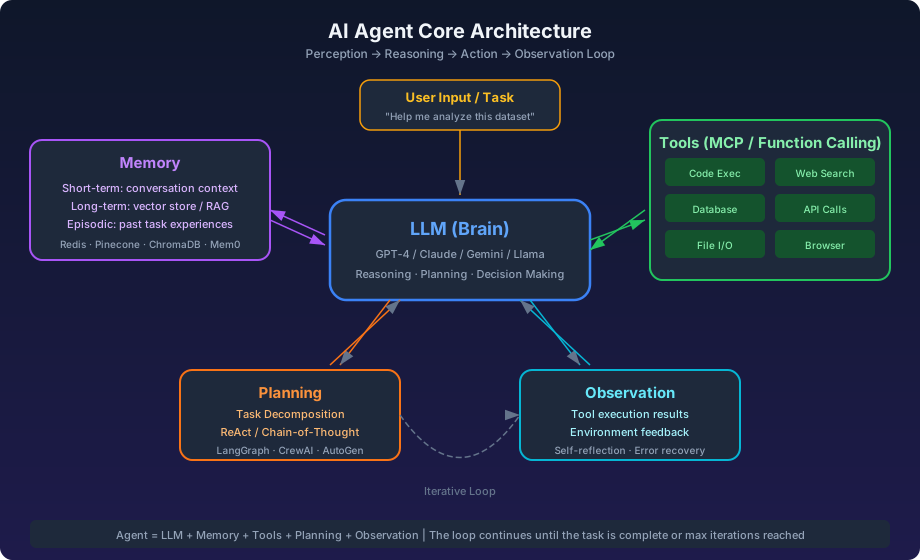
A first-principles breakdown of AI Agent architecture: how the LLM brain, memory systems, tool interfaces, and planning modules form an autonomous reasoning loop.
Browse posts by category: "ai" below.
A first-principles breakdown of AI Agent architecture: how the LLM brain, memory systems, tool interfaces, and planning modules form an autonomous reasoning loop.
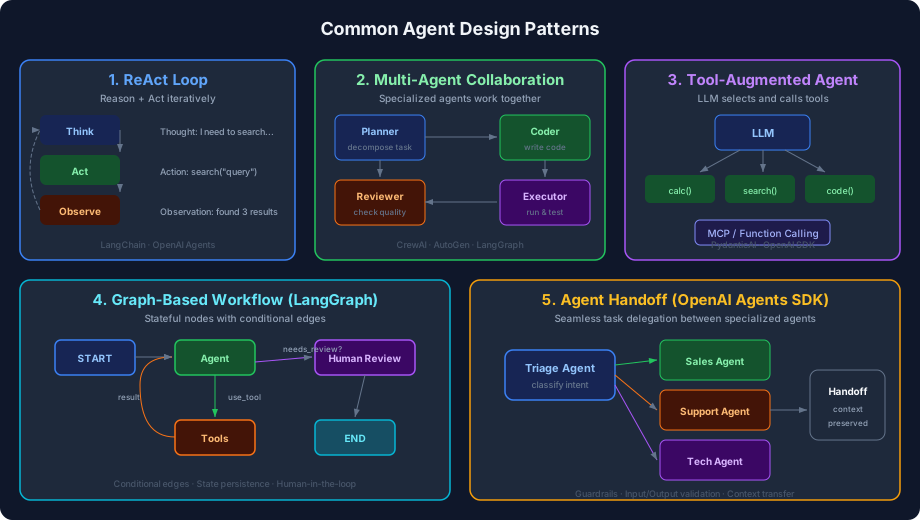
Five essential design patterns for building AI agents — from simple ReAct loops to multi-agent collaboration, graph-based workflows, and agent handoffs. With code examples and framework recommendations.
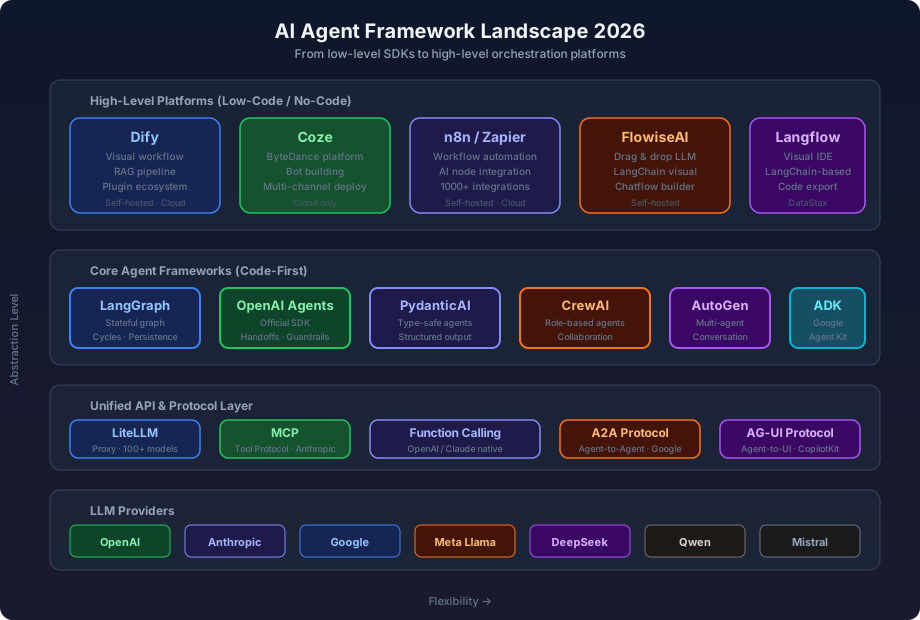
A practical comparison of the six major AI agent frameworks in 2026 — with code examples, feature matrices, and selection guidance for different use cases.
Understanding the protocol layer that connects agents to tools, other agents, and frontends — MCP, A2A, AG-UI, and native Function Calling compared.
Taking agents from prototype to production — covering observability with Langfuse, evaluation strategies, security guardrails, low-code platforms, and deployment architecture.
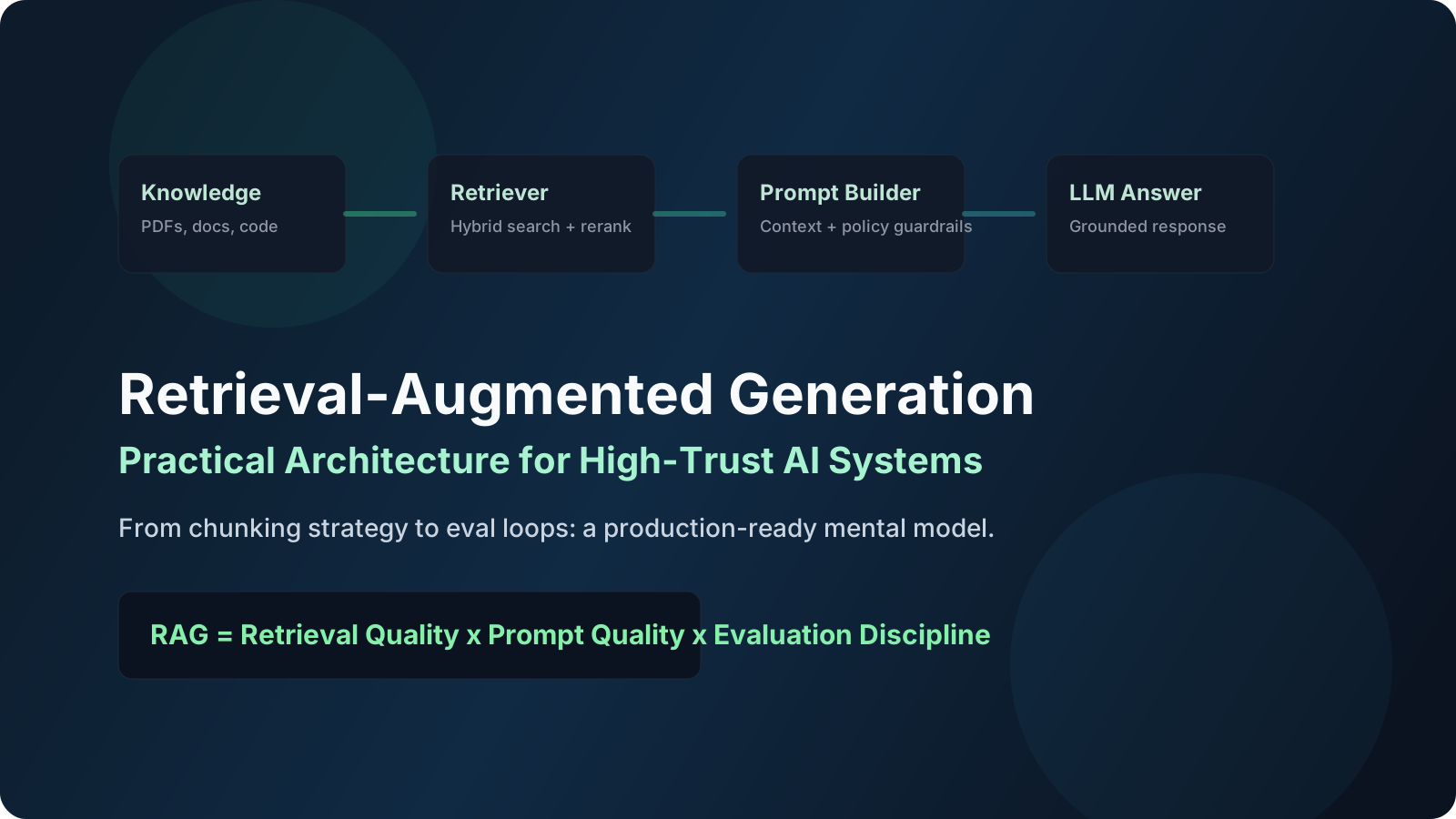
A practical, engineering-first guide to Retrieval-Augmented Generation covering architecture, chunking, hybrid retrieval, prompt grounding, and evaluation loops.