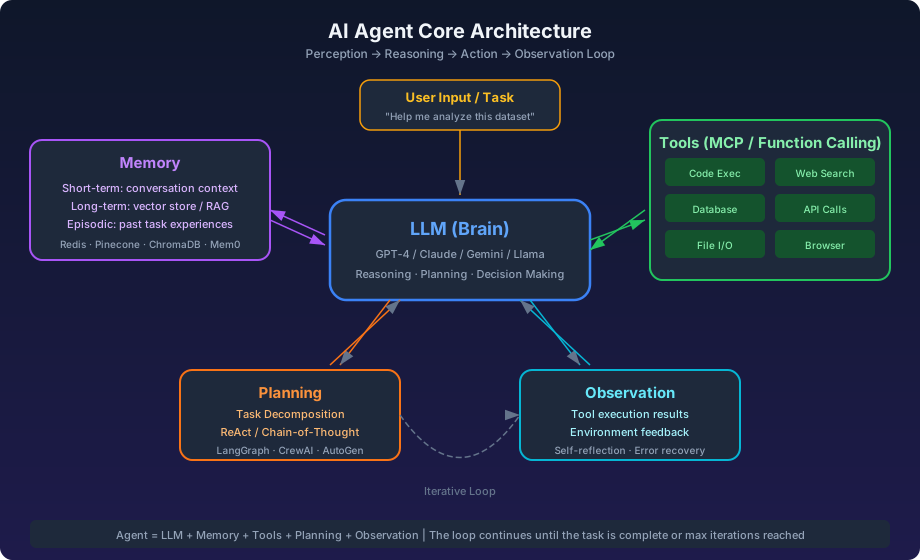
AI Agent Core Architecture: LLM + Memory + Tools + Planning
A first-principles breakdown of AI Agent architecture: how the LLM brain, memory systems, tool interfaces, and planning modules form an autonomous reasoning loop.
Dive into my thoughts on coding, tech trends, and developer life. Explore my latest posts below.
A first-principles breakdown of AI Agent architecture: how the LLM brain, memory systems, tool interfaces, and planning modules form an autonomous reasoning loop.
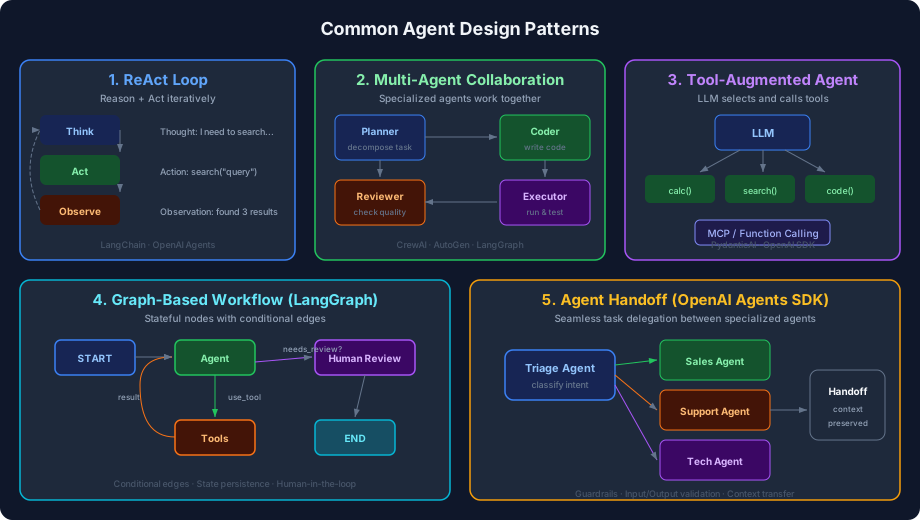
Five essential design patterns for building AI agents — from simple ReAct loops to multi-agent collaboration, graph-based workflows, and agent handoffs. With code examples and framework recommendations.
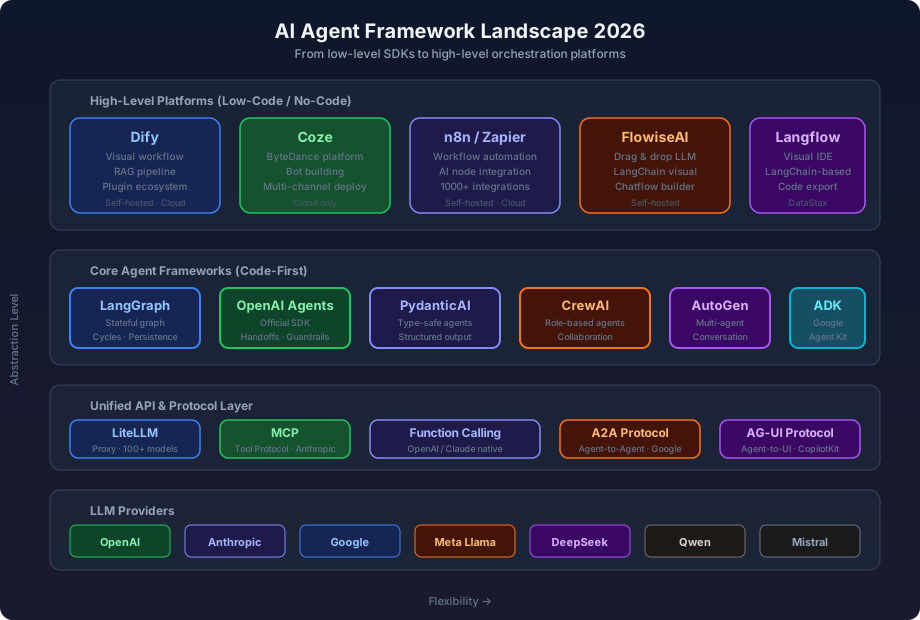
A practical comparison of the six major AI agent frameworks in 2026 — with code examples, feature matrices, and selection guidance for different use cases.
Understanding the protocol layer that connects agents to tools, other agents, and frontends — MCP, A2A, AG-UI, and native Function Calling compared.
Taking agents from prototype to production — covering observability with Langfuse, evaluation strategies, security guardrails, low-code platforms, and deployment architecture.
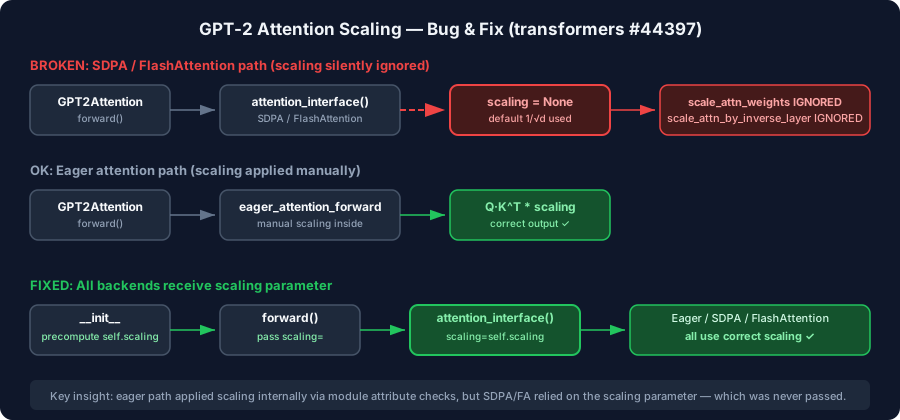
A silent bug in Hugging Face Transformers caused GPT-2 attention scaling configs to be ignored when using SDPA or FlashAttention backends. Here's how I traced, fixed, and tested it through three rounds of maintainer review.